


-

Add: HeBei ShengShi HongBang Cellulose Technology CO.,LTD.
-

Email
13180486930@163.com -

CONTACT US
+86 13180486930
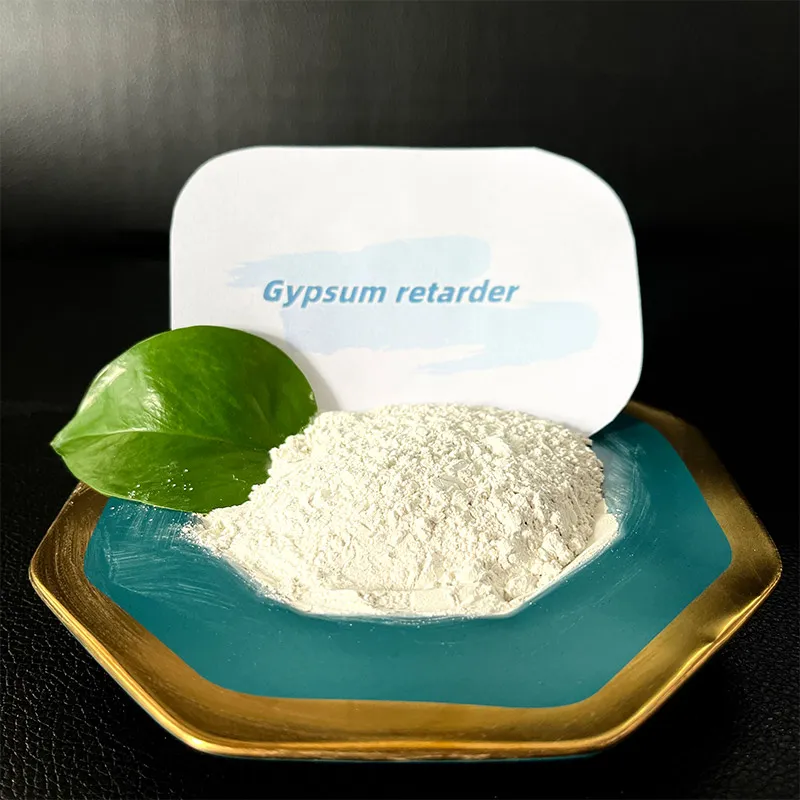


Polyolefin fibers, an essential component in the textile and manufacturing industries, have significantly gained attention due to their versatile applications and superior qualities. These fibers, derived from polymers such as polypropylene and polyethylene, offer a unique combination of properties that cater to numerous industrial needs, enhancing both product performance and durability. One of the most significant advantages of polyolefin fibers is their exceptional resistance to moisture. This property makes them an ideal choice for outdoor applications, where exposure to environmental elements like rain and humidity can quickly degrade other materials. For instance, agricultural fabrics designed to protect crops from the elements heavily rely on polyolefin fibers due to their robust water-repellent characteristics, ensuring longevity and consistent performance across seasons. Moreover, the high tensile strength of polyolefin fibers contributes importantly to their value in various industries. Their ability to withstand considerable stress without breaking or deforming makes them suitable for manufacturing high-strength ropes, fishing nets, and even geotextiles used in construction projects. This inherent strength not only extends the lifespan of the products made from these fibers but also enhances their reliability in critical applications, where failure is not an option. A prominent feature of polyolefin fibers is their inherent resistance to chemical attacks. This characteristic is particularly beneficial in environments where exposure to harsh chemicals or solvents is a concern, such as in industrial filtration systems or packaging materials. Products made from polyolefin fibers do not easily degrade when in contact with chemicals, ensuring both product integrity and safety over time. In the arena of sustainability, polyolefin fibers present a commendable profile. They are fully recyclable and contribute less to the overall carbon footprint compared to some other synthetic fibers. Their production process, largely driven by advances in polymer technology, has become more energy-efficient, allowing manufacturers to produce these fibers with reduced environmental impact. This aspect of sustainability positions polyolefin fibers favorably among environmentally conscious businesses aiming to incorporate more eco-friendly materials into their product lines. polyolefin fiber The light-weight nature of polyolefin fibers is another enticing benefit, leading to two major advantages—ease of handling and reduced transportation costs. Their low density results in lighter end products, which is particularly beneficial for applications in the automotive and aerospace industries, where weight reduction translates to improved fuel efficiency and performance. Polyolefin fibers thus contribute to overall cost savings , benefiting both manufacturers and end consumers. While the advantages are clear, incorporating polyolefin fibers into applications requires careful consideration of certain technical properties. Polyolefin fibers have a relatively low melting point compared to other synthetic fibers, which can be a limiting factor in high-temperature applications. However, this limitation is often addressed in innovative ways by blending polyolefin fibers with other materials or using them in environments where their low thermal resistance is not an issue. The expertise and authority of polyolefin fiber production have been greatly advanced by leading companies and research institutions globally. Their focus remains on refining the production processes and enhancing the fiber’s properties to meet the ever-evolving demands of the market. Extensive research and development activities ensure these fibers remain at the forefront of innovation, maintaining their status as a reliable and versatile material choice. Trustworthiness in the field of polyolefin fibers is further reinforced by strict compliance with international standards and certifications, which oversee the quality and environmental impact of these materials. Reputable manufacturers provide comprehensive data and transparency about their products, allowing consumers to make informed decisions based on verified performance metrics. In conclusion, polyolefin fibers represent a remarkable blend of performance, durability, and sustainability, making them indispensable across a variety of industrial sectors. Their distinctive properties provide tangible benefits, from extending product life to reducing environmental impacts, ensuring that polyolefin fibers will continue to be a material of choice for innovative solutions well into the future.
- 40000tons

Production
- 20+years

Experience
- 5000+㎡

Acreage

-
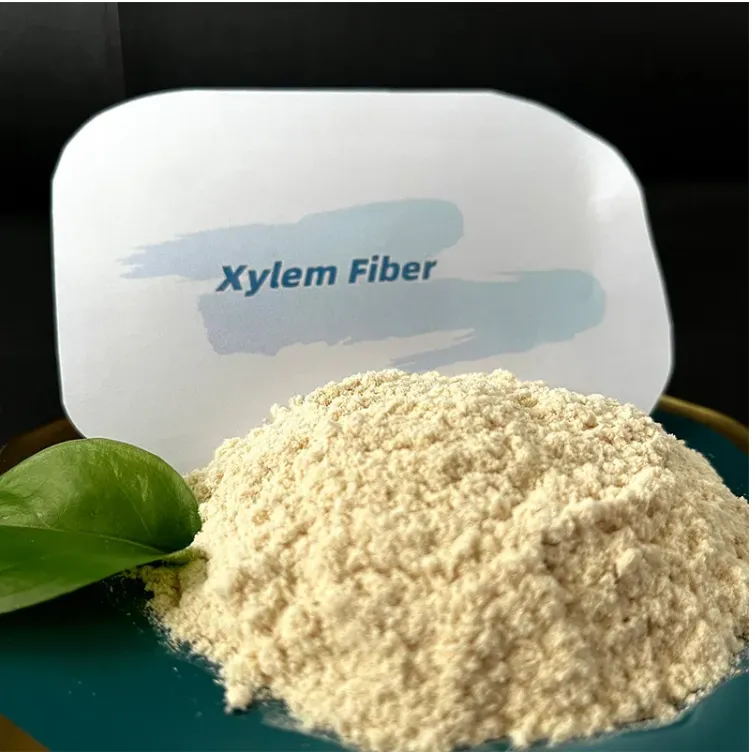
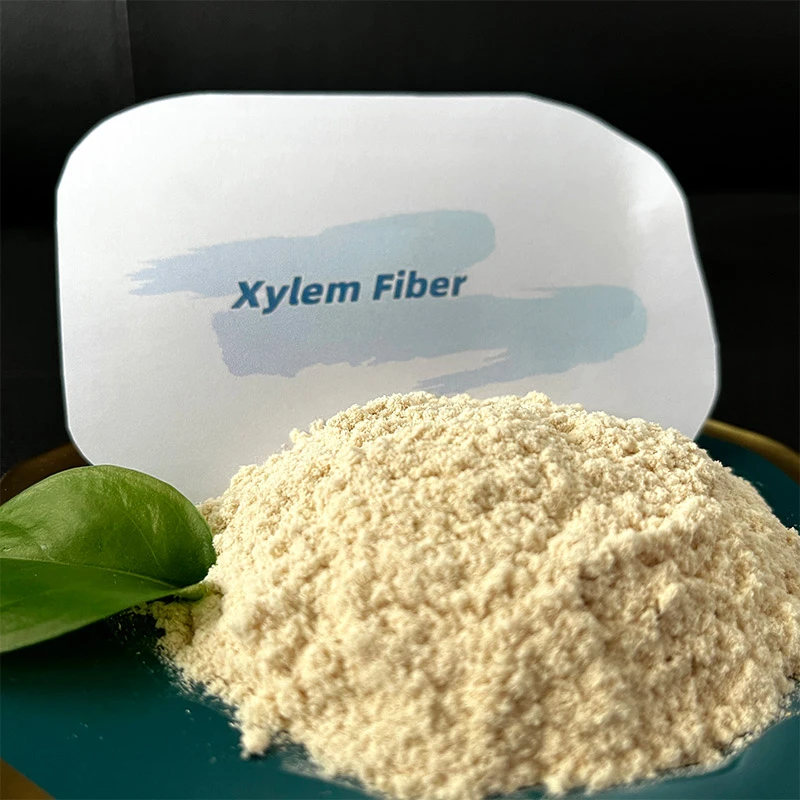
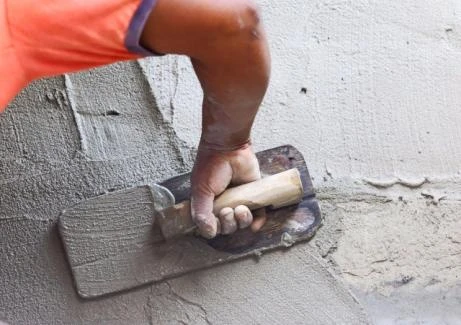
In today’s age of sustainable manufacturing and eco-conscious innovation, wood cellulose has gained immense relevance across diverse industries. Extracted primarily from plant cell walls, wood cellulose fiber stands out as a natural polymer known for its strength, flexibility, and biodegradability. From construction to textiles, and even personal care, this organic material is changing the way manufacturers approach product performance and environmental impact. Unlike synthetic fibers, wood cellulose is renewable, making it a cornerstone in the evolution of green materials. Its unique chemical structure gives it superior compatibility with other natural and synthetic materials, allowing wide-ranging applications without sacrificing quality or performance. Industries now rely on wood cellulose fiber as a cost-effective, eco-friendly alternative in formulations such as plasterboard, adhesives, coatings, personal hygiene items, and building materials. Because it can absorb and retain water while offering excellent reinforcement, its use is both economical and technically valuable. Understanding the Role of Xylem Fiber in Wood Cellulose Production The source of wood cellulose lies deep within plant structures, particularly in what is known as xylem fiber . These fibers are the water-conducting vessels of vascular plants and form the bulk of wood matter. Xylem fiber is rich in cellulose, and once processed, yields high-purity wood cellulose fiber suitable for commercial use. Harvesting and refining xylem fiber involves a meticulous process that removes lignin and other non-cellulosic components. This results in a product with increased whiteness, flexibility, and hydrophilic properties, making it ideal for industrial applications. Whether used in dry-mix mortars or daily chemical products, this purified wood cellulose enhances workability, improves consistency, and ensures thermal stability. As more manufacturers strive to balance performance with sustainability, xylem fiber continues to demonstrate its superior efficiency and ecological advantage. Its use reinforces the global trend toward adopting plant-derived solutions over petrochemical-based alternatives. The Difference Between Sawdust and Wood Cellulose You Should Know One of the most common misconceptions is the difference between sawdust and wood cellulose . While both originate from wood, they differ significantly in composition, processing, and end-use. Sawdust is the coarse byproduct of mechanical woodworking, consisting mainly of wood particles, bark, and possibly contaminants. In contrast, wood cellulose is refined, purified, and chemically processed to isolate the cellulose fibers from lignin and hemicellulose. Understanding the difference between sawdust and wood cellulose is critical when selecting materials for manufacturing or formulation purposes. Sawdust cannot provide the uniformity, solubility, or performance-enhancing properties that wood cellulose fiber offers. The latter is tailored to specific applications like enhancing viscosity in adhesives or acting as a binder in construction materials. When purity and performance matter, wood cellulose is the superior choice. It undergoes rigorous chemical treatment and screening to ensure the material's consistency, safety, and functionality across all use cases, something sawdust simply cannot match. Why Wood Cellulose Fiber Is Dominating the Industrial Market From construction to personal care, the dominance of wood cellulose fiber in modern industry cannot be overstated. Thanks to its unique properties—such as moisture retention, film-forming ability, and thermal insulation—it is preferred in numerous applications ranging from cementitious products to cosmetic creams. In the building industry, wood cellulose fiber improves the workability and adhesion of mortar and plaster. In daily chemical goods, its thickening and stabilizing properties enhance the feel and shelf life of products. Its biodegradability also ensures that products made with wood cellulose fiber leave minimal environmental footprint, aligning with today’s green production goals. Moreover, wood cellulose is highly compatible with other substances like starch ether and HPMC, commonly used in dry-mix systems. This makes it an irreplaceable additive in tile adhesives, wall putty, and EIFS (external insulation and finish systems). Its natural origin and performance advantages give it an edge over synthetic alternatives. Applications and Market Outlook for Wood Cellulose and Xylem Fiber The global demand for wood cellulose and xylem fiber continues to rise, driven by increasing emphasis on eco-friendly materials and biodegradable solutions. Industries are leveraging these fibers to meet sustainability standards while enhancing product quality. In paper manufacturing, wood cellulose fiber is the primary raw material used to achieve high whiteness and printability. In agriculture, it serves as a soil conditioner that retains water and improves aeration. The paint and coatings industry uses it to stabilize emulsions and improve spreadability. Even in personal care products, wood cellulose finds its place as a thickening agent in lotions, shampoos, and toothpaste. Thanks to its versatility and eco-benefits, wood cellulose is expected to remain a critical material in green technologies. Companies investing in high-purity xylem fiber sourcing and innovative processing methods are likely to gain a significant market advantage in the coming years. Xylem fiber FAQs What is the main difference between wood cellulose and xylem fiber? Xylem fiber is the structural component of vascular plants responsible for transporting water, whereas wood cellulose is a processed derivative of these fibers. The cellulose is extracted from xylem fiber through chemical and mechanical processing to yield a purified product used in industrial applications. Can wood cellulose replace synthetic polymers in industrial use? Yes, wood cellulose fiber can effectively replace many synthetic polymers, especially in applications that require biodegradability, moisture retention, or thickening. It offers comparable performance with a much lower environmental impact, making it ideal for green manufacturing. Is there any overlap between sawdust and wood cellulose in use? Not really. While both come from wood, sawdust is a raw byproduct used mainly for low-grade applications like animal bedding or fuel. Wood cellulose , on the other hand, is chemically refined for high-performance industrial applications, making them fundamentally different in quality and use. How is wood cellulose used in construction materials? In the construction industry, wood cellulose fiber is added to dry-mix mortar, tile adhesives, and plasters to enhance workability, water retention, and bonding strength. It improves the rheological properties of the mixture, resulting in smoother application and longer open time. Why is wood cellulose considered environmentally friendly? Wood cellulose is biodegradable, renewable, and derived from natural sources. Unlike petroleum-based materials, it decomposes safely in the environment and does not contribute to long-term pollution. Its use supports sustainable industrial practices and reduces carbon footprint.
-
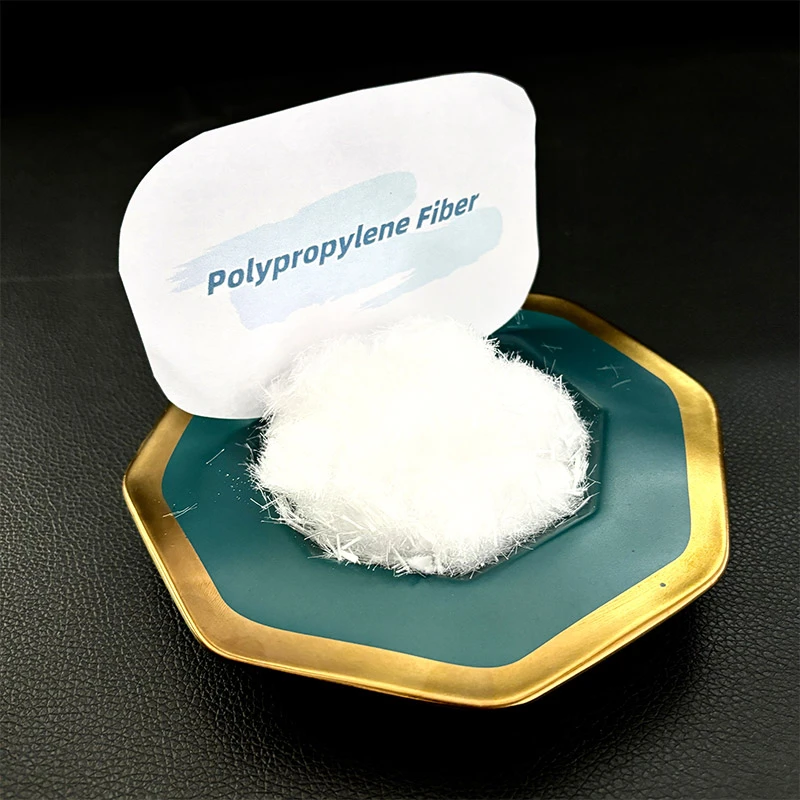
Glass filled polypropylene, commonly known as glass filled PP, is a marvel of modern engineering that brings a plethora of benefits across various industries. As a seasoned industry expert, I have seen firsthand how the incorporation of glass fibers into polypropylene matrices has transformed the durability and functionality of a range of products, making it a material of choice for numerous applications. In the realm of automotive manufacturing, glass filled PP has emerged as a driving force behind enhanced vehicle performance and durability. Its superior strength-to-weight ratio makes it an ideal substitute for heavier metals, contributing to significant weight reductions in vehicles. This not only improves fuel efficiency but also reduces carbon emissions, aligning with global sustainability goals. I have observed that automotive engineers often prefer glass filled PP for parts like front-end modules and under-the-hood components due to its exceptional thermal resistance and sound dampening properties. The packaging industry is another sector where glass filled polypropylene has made significant inroads. Its robust mechanical properties ensure that containers and packaging materials maintain their integrity even under extreme conditions. With the heightened focus on sustainable packaging solutions, glass filled PP offers an eco-friendly alternative that does not compromise on performance. My experience with leading packaging manufacturers has shown that switching to glass filled PP can lead to reduced material wastage and enhanced recyclability of products. In the electrical and electronics fields, glass filled PP has set new standards for efficiency and safety. Its excellent insulating properties and resistance to electrical conductivity make it ideal for housing electrical components. Additionally, its flame retardant capabilities provide an added layer of safety, crucial in the manufacturing of household appliances and consumer electronics. Industry specialists frequently refer to glass filled polypropylene as a game-changer for enhancing product longevity and reliability. The construction industry, too, has not been left behind in embracing the advantages of glass filled PP. This material has been instrumental in creating lightweight, yet robust construction materials, from piping systems to roofing components. Its resistance to chemical corrosion and moisture absorption makes it particularly suitable for use in extreme environmental conditions. During my consultations with construction firms, the feedback has been overwhelmingly positive, highlighting reduced maintenance costs and improved infrastructure resilience. glass filled pp From a technical perspective, the process of compounding glass fibers with polypropylene demands precision and expertise. The proportion of glass filler can be meticulously controlled to optimize the material's mechanical properties for specific applications. My collaborations with polymer scientists and engineers have underscored the importance of technology and precision in manufacturing these advanced composite materials. The true innovation of glass filled polypropylene lies not just in its structural benefits, but also in its versatility. This material can be tailored to meet a wide range of aesthetic and functional requirements, allowing for custom solutions that cater to specific industry needs. Its adaptability and ease of processing mean that manufacturers can create parts with intricate geometries and superior surface finishes, which are often required in both consumer and industrial applications. Trust in materials is pivotal across industries, and glass filled PP does not fall short in this respect. Reputable testing and certification processes bolster its credibility, providing assurance of its performance and compliance with industry standards. It is crucial for manufacturers to rely on certified suppliers to ensure the uniformity and quality of glass filled PP, which in turn maintains the integrity of the final products. My experiences with quality assurance specialists have shown that this reduces long-term liability and enhances consumer trust. In conclusion, the transformative impact of glass filled polypropylene cannot be overstated . Its innovative blend of strength, durability, and versatility offers a sustainable path forward across diverse sectors, from automotive to electronics and beyond. Embracing glass filled PP as a staple in product manufacturing is not just a step towards modernity but a commitment to progress and excellence. With a keen eye on emerging trends and technological advancements, industries can continue to leverage this material’s full potential, yielding products that are not only superior in performance but also aligned with the highest standards of quality and environmental responsibility.
advantages
-

200000 Viscosities
Excellent product
We can produce pure products up to 200,000 viscosities
-

40000 tons
High yield
We don’t stop production all year round, and the annual output can reach 40,000 tons
-

24 hours
Quality service
We provide 24-hours online reception service, welcome to consult at any time
———— Inquiry Form
Schedule A services
-
 hpmc_dextran_70
Oct . 25, 2025
Acrylic fiber, a synthetic fiber made from a polymer called polyacrylonitrile, offers unparalleled v -
 adhesif_pour_carrelage_hpmc
Oct . 25, 2025
In a world focused on sustainability, wood cellulose is emerging as a top choice for eco-friendly bu -
 mhec_powder
Oct . 25, 2025
The pharmaceutical industry increasingly relies on advanced polymer solutions for efficient drug for


